
For many homeowners in South Walton County, wastewater service works a little differently than a traditional gravity sewer system. Homes located in areas served by a low-pressure force main may rely on an individual grinder pump to move wastewater from the home into Regional Utilities' sewer system.
For homeowners who live in their property year-round, a grinder pump may be something they rarely think about. For seasonal and absentee homeowners, however, understanding the system—and knowing what to look for during a routine home inspection—can help prevent an unexpected plumbing emergency, property damage and potentially costly repairs.
At Infinity Home Solutions, we regularly see how important preventative maintenance and early detection can be for homes that are unoccupied for extended periods. Here's what South Walton homeowners should know about their grinder pump system.
What Is a Grinder Pump?
A grinder pump is essentially a small wastewater pumping station serving an individual home. Wastewater from the home flows into a tank buried in the ground. A pump inside the tank grinds the wastewater and then pumps it under pressure through the low-pressure force main toward the wastewater treatment system.
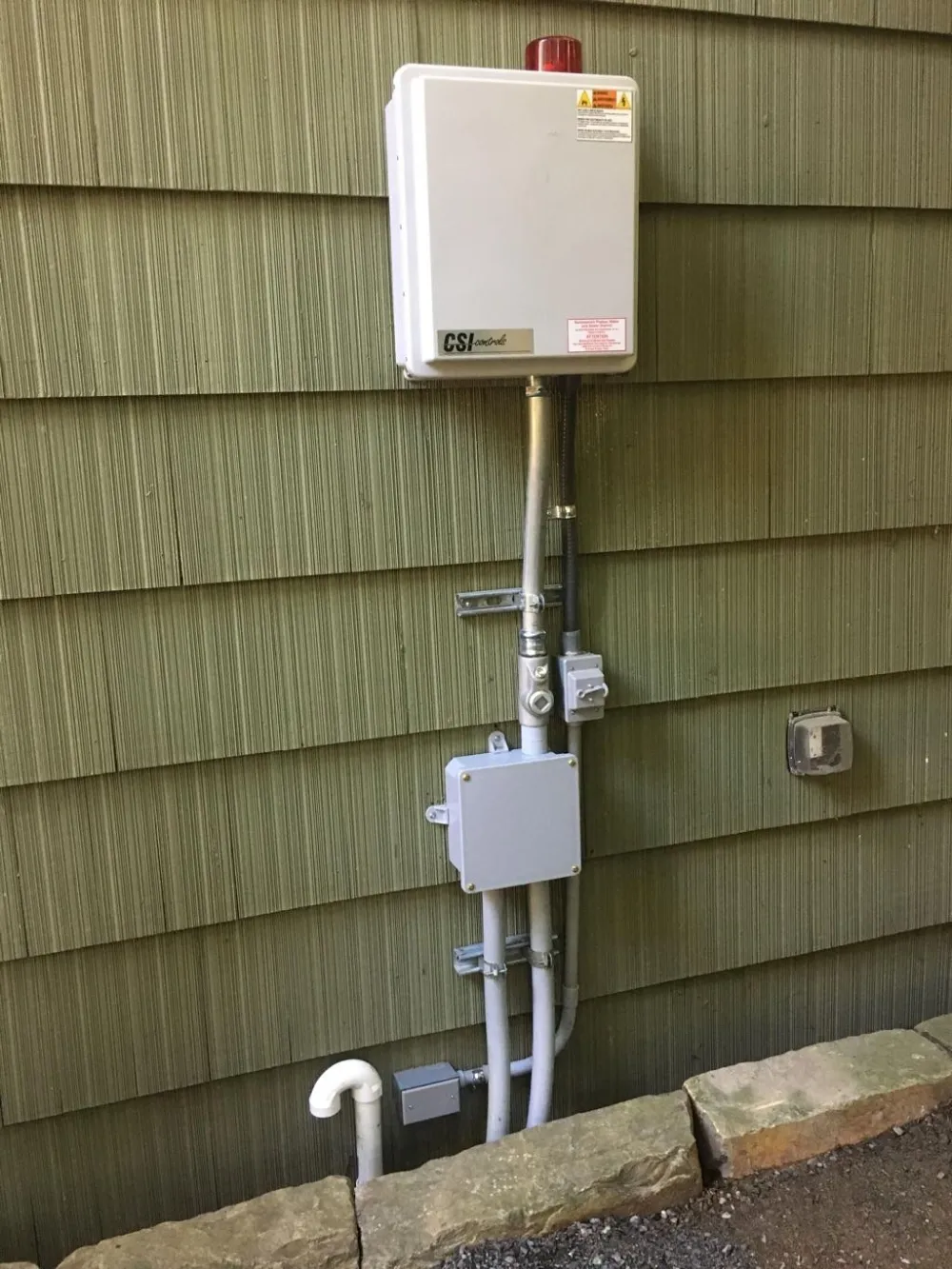
The system generally includes an underground tank, the grinder pump itself, electrical components and an exterior control/alarm enclosure. Homeowners may recognize the exterior equipment as a small utility-style box or enclosure located near the grinder tank. Depending on the installation, the system may also have a visible red alarm light.
 The most important thing to remember is this:
If you see a red alarm light on your grinder pump station, contact Regional Utilities immediately. Regional Utilities specifically instructs customers to report a red light without delay.
How Do You Know If There Is a Problem?
A grinder pump system can provide years of reliable service when properly maintained, but homeowners should pay attention to warning signs.
During a home inspection, look for:
A red alarm light illuminated on the grinder pump station.
An audible alarm coming from the system.
Unusual odors around the grinder pump area.
Sewage or wastewater surfacing near the tank or yard.
Slow drains or toilets that are not flushing normally, particularly when combined with other warning signs.
Unusual noises associated with the pump.
Water or wastewater pooling around the grinder station.
Evidence of an electrical or power issue affecting the system.
A red alarm light is particularly important. It can indicate a condition such as a high wastewater level, pump problem, power failure or another system malfunction. Regional Utilities' specifications provide for audible and visual alarms for various pump-station malfunction conditions.
What About a Power Outage?
Because the grinder pump requires electricity to operate, wastewater cannot be pumped when the power is out. Regional Utilities advises that there should be enough reserve capacity in the tank for limited toilet flushing during a temporary outage, but homeowners should avoid unnecessary water use until power is restored.
For a vacation home, this is especially important following a storm or extended power outage. A home that is unoccupied may not have anyone immediately available to recognize a problem or limit water use once power returns.
Who Should You Call When There Is a Problem?
If you see a red alarm light, hear an alarm, notice wastewater surfacing, or suspect the grinder pump is not operating properly, contact Regional Utilities directly.
Regional Utilities lists (850) 231-5114 for customer service and emergency after-hours service. The utility specifically instructs customers to report grinder pump problems immediately.
Regional Utilities – Grinder Pump Information
For an emergency or after-hours issue, Regional Utilities' current website also lists (850) 231-5114 as its emergency number.
Do not wait until the next business day if you have an active alarm or suspected sewage problem.
If you are an absentee homeowner and your home watch provider discovers an issue during a scheduled inspection, your home watch company can help notify you and coordinate communication with Regional Utilities and other appropriate service providers.
Why Reporting a Problem Quickly Matters
A grinder pump is designed to collect wastewater in its underground tank and pump it into the sewer system. If the pump stops working, wastewater can continue entering the tank even though the pump is no longer removing it.
That means a relatively small mechanical, electrical or alarm issue can become a much larger problem if it is ignored.
A prolonged pump failure can potentially result in:
A full grinder tank
Sewage backing up into the home
Wastewater surfacing in the yard
Unpleasant odors
Damage to flooring, walls and other property if sewage enters the home
Sanitation and environmental concerns
Additional cleaning, equipment and repair costs
Regional Utilities notes that certain misuse-related failures may result in the owner/occupant being responsible for damages, including materials, labor and equipment.
For a vacation home, the risk can be even greater because a problem may continue unnoticed for days or weeks. Early detection is one of the most valuable benefits of having an occupied or unoccupied home professionally monitored.
What Can Homeowners Do to Prevent Grinder Pump Problems?
The good news is that homeowners can do quite a bit to protect their grinder pump system.
1. Be Careful About What Goes Down the Drain
The grinder pump is designed to handle wastewater—not household trash.
Regional Utilities specifically warns homeowners not to introduce items such as:
Grease or cooking oil
Glass
Metal, including razor blades and needles
Plastics, toys or utensils
Feminine hygiene products
Seafood shells and fish scales
Diapers
Rags or clothing
Hair
Baby wipes and other wipes
Cleaning cloths
Q-tips
Strong chemicals
Gasoline, oil or other flammable materials
Regional Utilities also warns against introducing stormwater or surface water into the wastewater collection system.
When in doubt, don't flush it.
2. Never Pour Grease Down the Drain
Grease is one of the biggest problems for grinder pump systems. According to Regional Utilities, grease can stick to the float switches, harden and prevent the pump from cycling properly.
Instead, allow cooking grease to cool and dispose of it appropriately rather than sending it down the kitchen drain.
3. Keep Stormwater Out of the Sewer System
South Walton's heavy rain and tropical weather make this particularly important. Stormwater and surface water should not be directed into the wastewater collection system.
Homeowners should pay attention to drainage around the grinder station and make sure landscaping, downspouts or other drainage changes are not directing excessive water toward the system.
4. Know Where Your Grinder Pump Is Located
If you own a home with a grinder pump, make sure you—and anyone responsible for your property—know where the grinder station and alarm equipment are located.
This is particularly important for absentee homeowners. A home watch professional should be able to identify the equipment during a routine inspection and recognize when something appears abnormal.
5. Look at the Grinder Station During Routine Property Inspections
The grinder pump does not need to become a daily concern, but it should not be forgotten.
During a routine property inspection, look for the obvious signs:
Is the alarm light off?
Is there any standing water?
Are there unusual odors?
Is the surrounding area normal?
Is there evidence of wastewater surfacing?
 A few minutes of observation can help identify a problem before it becomes a major property issue.
What Is the Homeowner Responsible For?
One of the most common questions homeowners have is: "If Regional Utilities maintains the grinder pump, what am I responsible for?"
For residential grinder pump customers covered by Regional Utilities' grinder pump maintenance agreement, Regional Utilities provides and maintains the grinder pump, including parts and labor for pump maintenance under the agreement. Regional Utilities also provides annual cleaning and servicing.
However, the homeowner/occupant still has important responsibilities.
These include:
Properly using the wastewater system.
Keeping prohibited materials out of the system.
Preventing grease and foreign objects from entering the grinder pump.
Keeping stormwater and surface water out of the wastewater system.
Providing and maintaining the required electrical service to the grinder pump location.
Reporting problems promptly to Regional Utilities.
Paying for certain additional cleaning or repairs resulting from misuse, negligence or foreign objects, as applicable under the agreement.
Regional Utilities' current information also states that additional cleaning required because of grease buildup caused by negligence or misuse may be charged to the owner/occupant.
What Is Regional Utilities Responsible For?
For residential properties with a grinder pump covered by the applicable maintenance agreement, Regional Utilities' responsibilities generally include providing, installing and maintaining the grinder pump and providing annual cleaning and servicing. The maintenance agreement specifies that Regional Utilities covers parts and labor for pump maintenance, subject to the terms and exclusions of the agreement.
Regional Utilities is also the provider responsible for operating and maintaining the wastewater infrastructure within its service area.
However, homeowners should understand that not every component or situation is automatically the utility's responsibility. Costs associated with owner-caused damage, misuse, grease buildup, foreign objects and certain property-related work may remain the homeowner's responsibility.
Because individual properties and agreements can differ, homeowners should refer to their specific grinder pump maintenance agreement or contact Regional Utilities if they are unsure who is responsible for a particular repair.
A Special Consideration for South Walton's Vacation Homes
Grinder pump maintenance is particularly important for homes that may sit vacant for weeks or months at a time.
A homeowner who lives locally may notice a strange noise, an alarm or a plumbing issue almost immediately. A vacation homeowner may not discover the problem until the next scheduled visit.
That's why routine Home Watch inspections can play an important preventative role.
At Infinity Home Solutions, our Home Watch services are designed to provide homeowners with an extra set of eyes on their property while they are away. During routine visits, we can look for visible signs of plumbing, electrical, HVAC, water intrusion and other property issues and notify the homeowner when something requires attention.
While a Home Watch company does not replace Regional Utilities or a qualified plumbing/service professional, having someone regularly checking your property can help identify a problem early and ensure the appropriate party is contacted.
The Bottom Line: Don't Ignore the Red Light
Your grinder pump is an important part of your home's wastewater system, and most homeowners will never need to think about it very much.
But knowing where it is, what it looks like, what the alarm means and who to call can make a significant difference when something goes wrong.
For South Walton homeowners—especially those who live elsewhere and visit their Florida home only periodically—routine inspection and prompt reporting are simple ways to protect both the property and the peace of mind that comes with knowing your home is being cared for.
If you see a red alarm light on your grinder pump station, contact Regional Utilities immediately at (850) 231-5114.
And if your South Walton home is unoccupied, consider having a trusted local Home Watch professional keep an eye on the systems that matter while you're away.
**Information in this article is based on Regional Utilities' publicly available grinder pump information and maintenance documents as of August 2026. Homeowners should consult their individual maintenance agreement and Regional Utilities directly regarding specific property responsibilities, repairs and charges.